Buying near East Bay open space can provide beautiful views and trail access, but the property deserves additional investigation before you make an offer.Homes near ridgelines, regional parks,,

Dated: June 19 2026
Views: 2

A rental property can look attractive for many reasons.
It may be located in a desirable neighborhood, have a floor plan tenants would appreciate or appear likely to gain value over time. But an appealing property is not automatically a strong investment.
Before purchasing an East Bay rental, investors should examine how the property is likely to perform as a business. That means looking beyond the estimated rent and mortgage payment to understand operating expenses, future repairs, financing, local demand and the amount of risk built into the projections.
A clear analysis does not guarantee a particular result. It helps reveal whether the opportunity still makes sense when realistic costs and less-than-perfect conditions are considered.
Projected rent is the starting point, but it should not be based on the most optimistic listing you can find.
Look for comparable rentals that resemble the subject property in location, size, condition, parking, outdoor space and amenities. A renovated home with central air and a usable yard may command a different rent from a nearby property lacking those features.
Pay attention to whether comparable properties are currently available or have actually rented. Active listings show what landlords are asking, but they do not always reveal what tenants are willing to pay or how long the property may remain vacant.
When the property is already tenant-occupied, review the current lease, payment history and applicable terms with the appropriate professionals. Existing rent may be above or below current market expectations, and the ability to change it can depend on the tenancy and applicable law.
Use a reasonable income estimate rather than building the entire investment case around a best-case number.
A property will not necessarily remain occupied and fully paid every day you own it.
Vacancy may occur while marketing the home, completing repairs or preparing it for the next tenant. Even in a strong rental market, turnover usually creates some combination of cleaning, paint, landscaping, utilities, advertising or management costs.
A projection showing twelve months of rent with no vacancy or turnover allowance may overstate the property’s expected performance.
The appropriate assumption depends on the property and leasing environment. Rather than searching for one universal percentage, consider the likely tenant pool, typical lease duration, seasonal demand and how quickly comparable rentals appear to move.
Then test what happens if the vacancy lasts longer than expected.
The mortgage payment is only one part of the ownership cost.
A rental-property budget may need to account for:
Property taxes
Insurance
Homeowners association dues
Property management
Routine repairs
Landscaping or pool service
Utilities paid by the owner
Pest control
Licensing or administrative costs
Vacancy and turnover
Reserves for major replacements
Some expenses are predictable monthly costs. Others occur irregularly but still need to be included in the analysis.
A roof may not need replacement this year, but that does not make its future cost disappear. The same is true for HVAC equipment, exterior paint, water heaters, fences, appliances and drainage work.
An investment can appear profitable when large repairs are excluded and substantially different when a realistic reserve is included.
Investors should distinguish between work required to operate the property and improvements intended to increase value or rent.
Correcting a plumbing leak is different from remodeling a functional kitchen. Replacing a failed furnace is different from upgrading finishes to position the property at the top of the rental market.
Before purchasing, identify which work is immediately necessary, which items may be needed during the first few years and which upgrades are optional. Obtain professional estimates when a major cost could materially change the investment decision.
Tax treatment can also differ among repairs, improvements and acquisition-related expenses. A qualified tax professional should determine how the rules apply to the investor and property.
The investment analysis should focus on the actual cash required, regardless of when or how an expense may affect the tax return.
A simple cash-flow estimate begins with expected rental income and subtracts vacancy, operating expenses and debt service.
The result provides a starting point, not a complete prediction.
If the calculation only works when the property receives maximum rent, remains continuously occupied and requires minimal maintenance, the margin for error may be too narrow. A stronger analysis asks what happens when assumptions become less favorable.
Consider testing several scenarios:
Expected rent with normal operating costs
Rent modestly below the original estimate
A longer vacancy between tenants
A significant repair during the first year
Higher insurance or financing costs
Professional management instead of self-management
A property that remains manageable under more than one scenario may offer greater resilience than a deal dependent on everything going exactly as planned.

Cash flow tells you how many dollars may remain after projected expenses and debt service. Cash-on-cash return compares that annual cash flow with the amount of cash invested.
The cash invested may include the down payment, closing costs and initial repair or improvement expenses.
For example, two properties could produce similar annual cash flow while requiring very different amounts of upfront capital. The property using less investor cash would show a different cash-on-cash result.
This measure can help compare opportunities, but it should not be considered in isolation. A higher projected return may reflect greater risk, more intensive management, deferred maintenance or less stable tenant demand.
The assumptions behind the calculation matter more than presenting an impressive percentage.
The financial model and physical condition of the property belong in the same analysis.
An older roof, aging sewer lateral, drainage concern or outdated electrical system can affect both immediate costs and long-term performance. These conditions may not make the property a poor investment, but they should be reflected in the purchase price, repair budget and reserves.
General, pest, roof, sewer and other specialist inspections may be appropriate depending on the home. Review seller disclosures, available permits, repair documentation and the preliminary title information as part of the broader investigation.
Cosmetic improvements should not distract from the systems that protect the property and keep it operational.
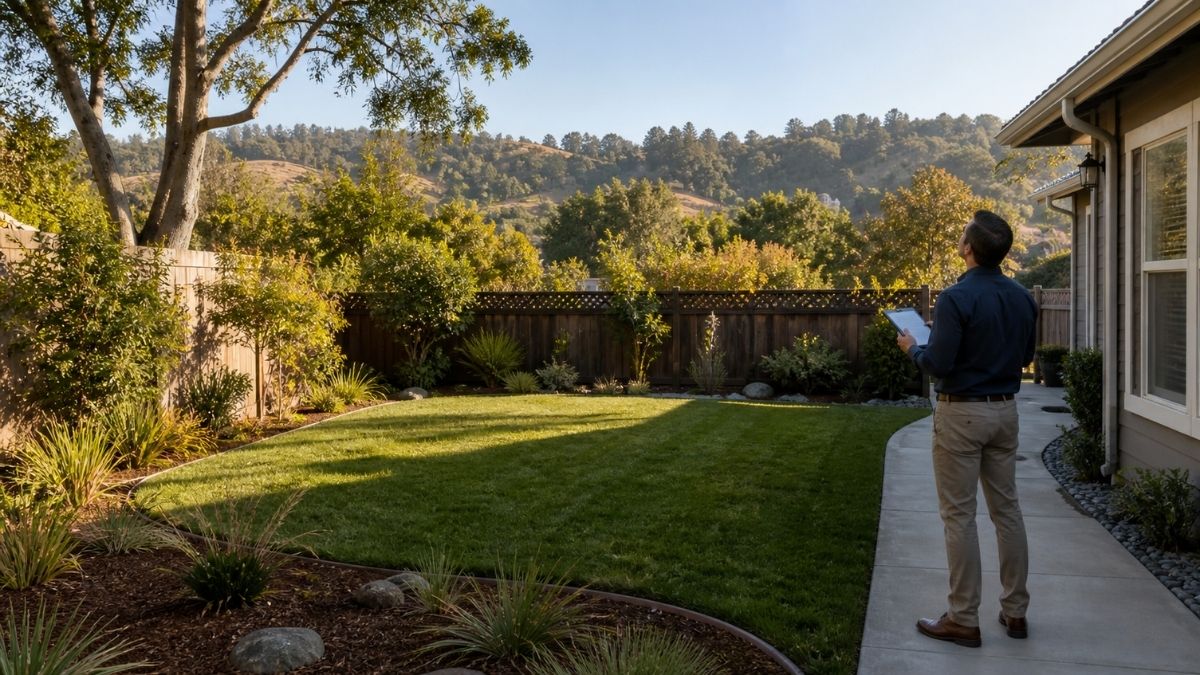
An investor may personally prefer a dramatic view, elaborate landscaping or highly customized finishes. Tenants may place more value on practical features.
Depending on the market, those could include:
Functional bedroom sizes
Convenient parking
Laundry
Heating and cooling
Storage
Usable outdoor space
Access to employment and transportation
A manageable commute
A clean, durable interior
A straightforward maintenance profile
Think about the likely tenant for the property. A home positioned for a household seeking a multi-year lease may need different features from a smaller unit intended for a more mobile tenant population.
The more clearly the property serves a realistic tenant group, the easier it is to evaluate demand and appropriate rent.
A rental property is not passive simply because a manager collects the rent.
Someone must handle leasing, communication, repairs, compliance, emergencies and turnover. An investor planning to manage personally should consider the time involved and whether they can respond appropriately.
If professional management is likely, include it in the analysis from the beginning. Do not remove a legitimate operating expense merely to make the projected cash flow look stronger.
Also consider the property itself. A newer condominium and an older single-family home with extensive landscaping may demand very different levels of oversight.
Choose an investment that fits both your financial plan and your willingness to manage operational details.
Long-term appreciation may be an important part of an East Bay investment strategy, but it is not monthly cash flow.
Future value is uncertain. Market conditions, interest rates, property condition, neighborhood changes and the timing of a sale can all affect the result.
An investor may willingly accept modest current cash flow because of a long holding period or another strategic objective. That can be reasonable when it is intentional and financially sustainable.
The problem arises when uncertain future appreciation is used to excuse a property that the owner cannot comfortably carry today.
Analyze the investment using the conditions you can evaluate now, then treat future appreciation as a possibility rather than a guarantee.
Before becoming attached to a property, establish the limits of the investment.
That could include a maximum purchase price, minimum cash reserve, required return range or acceptable repair budget. It may also include physical conditions or management demands you do not want to assume.
Clear limits make it easier to respond when inspections, insurance quotes, financing or rental research produce new information.
A strong investment decision is not defined by acquiring every property you analyze. Sometimes the analysis works because it gives you the confidence to proceed. Sometimes it works because it reveals that the opportunity does not fit.
If you are considering an East Bay investment property, I can help you examine comparable properties, rental positioning and the real estate factors that belong in your evaluation. Financial, tax and legal decisions should also be reviewed with qualified professionals familiar with your circumstances.

Real estate is personal. It’s not just about finding a house or selling a property. It’s about how people live, what matters most and where they want to go next. I’m Mike White, a Lifestyle Real....
Buying near East Bay open space can provide beautiful views and trail access, but the property deserves additional investigation before you make an offer.Homes near ridgelines, regional parks,,
Early fall can create a useful East Bay real estate window for buyers and sellers who understand how September changes the market.The first week of September does not suddenly transform East Bay
East Bay homeowners can reduce wildfire vulnerability by combining defensible space, home hardening, and planning ahead.Late summer is a practical time to look at the property as a system.,
East Bay sellers can protect their time and equity by repairing the correct problems before the home reaches the market.Preparing a home for sale does not mean fixing everything. The better goal is
 Last updated: September 20, 2026 11:08 PM UTC Property Information © 2026 MLSListings Inc. All rights reserved. Listing information is deemed reliable but not guaranteed. The data relating to real estate for sale on this display comes in part from the Internet Data Exchange program of the MLSListingsTM MLS system. Real estate listings held by brokerage firms other than REMAX Accord are marked with the Internet Data Exchange and detailed information about
them includes the names of the listing brokers and listing agents.
The information being provided by CARETS (CLAW, CRISNet MLS, DAMLS, CRMLS, i-Tech MLS, and/or VCRDS)
is for the visitor's personal, non-commercial use and may not be used for any purpose other than to identify
prospective properties visitor may be interested in purchasing.
Any information relating to a property referenced on this web site comes from the Internet Data Exchange (IDX)
program of CARETS. This web site may reference real estate listing(s) held by a brokerage firm other than the
broker and/or agent who owns this web site.
The accuracy of all information, regardless of source, including but not limited to square footages and lot sizes, is
deemed reliable but not guaranteed and should be personally verified through personal inspection by and/or with
the appropriate professionals. The data contained herein is copyrighted by CARETS, CLAW, CRISNet MLS,
DAMLS, CRMLS, i-Tech MLS and/or VCRDS and is protected by all applicable copyright laws. Any dissemination
of this information is in violation of copyright laws and is strictly prohibited.
CARETS, California Real Estate Technology Services, is a consolidated MLS property listing data feed comprised
of CLAW (Combined LA/Westside MLS), CRISNet MLS (Southland Regional AOR), DAMLS (Desert Area MLS),
CRMLS (California Regional MLS), i-Tech MLS (Glendale AOR/Pasadena Foothills AOR) and VCRDS (Ventura
County Regional Data Share)
Show More...
Last updated: September 20, 2026 11:08 PM UTC Property Information © 2026 MLSListings Inc. All rights reserved. Listing information is deemed reliable but not guaranteed. The data relating to real estate for sale on this display comes in part from the Internet Data Exchange program of the MLSListingsTM MLS system. Real estate listings held by brokerage firms other than REMAX Accord are marked with the Internet Data Exchange and detailed information about
them includes the names of the listing brokers and listing agents.
The information being provided by CARETS (CLAW, CRISNet MLS, DAMLS, CRMLS, i-Tech MLS, and/or VCRDS)
is for the visitor's personal, non-commercial use and may not be used for any purpose other than to identify
prospective properties visitor may be interested in purchasing.
Any information relating to a property referenced on this web site comes from the Internet Data Exchange (IDX)
program of CARETS. This web site may reference real estate listing(s) held by a brokerage firm other than the
broker and/or agent who owns this web site.
The accuracy of all information, regardless of source, including but not limited to square footages and lot sizes, is
deemed reliable but not guaranteed and should be personally verified through personal inspection by and/or with
the appropriate professionals. The data contained herein is copyrighted by CARETS, CLAW, CRISNet MLS,
DAMLS, CRMLS, i-Tech MLS and/or VCRDS and is protected by all applicable copyright laws. Any dissemination
of this information is in violation of copyright laws and is strictly prohibited.
CARETS, California Real Estate Technology Services, is a consolidated MLS property listing data feed comprised
of CLAW (Combined LA/Westside MLS), CRISNet MLS (Southland Regional AOR), DAMLS (Desert Area MLS),
CRMLS (California Regional MLS), i-Tech MLS (Glendale AOR/Pasadena Foothills AOR) and VCRDS (Ventura
County Regional Data Share)
Show More...
 All measurements and all calculations of area are approximate. Information provided by Seller/Other sources, not verified by Broker. All interested persons should independently verify accuracy of information. Provided properties may or may not be listed by the office/agent presenting the information. Data maintained by MetroList© may not reflect all real estate activity in the market.
All real estate content on this site is subject to the Federal Fair Housing Act of 1968, as amended, which makes it illegal to advertise any preference, limitation or discrimination because of race, color, religion, sex, handicap, family status or national origin or an intention to make any such preference, limitation or discrimination.
MetroList CA data last updated: September 20, 2026 10:38 PM UTC Terms of Use.
Vendor data provided by Inside Real Estate, LLC.
All measurements and all calculations of area are approximate. Information provided by Seller/Other sources, not verified by Broker. All interested persons should independently verify accuracy of information. Provided properties may or may not be listed by the office/agent presenting the information. Data maintained by MetroList© may not reflect all real estate activity in the market.
All real estate content on this site is subject to the Federal Fair Housing Act of 1968, as amended, which makes it illegal to advertise any preference, limitation or discrimination because of race, color, religion, sex, handicap, family status or national origin or an intention to make any such preference, limitation or discrimination.
MetroList CA data last updated: September 20, 2026 10:38 PM UTC Terms of Use.
Vendor data provided by Inside Real Estate, LLC.
 Bay East ©2026. CCAR ©2026. bridgeMLS ©2026. Information Deemed Reliable But Not Guaranteed. This information is being provided by the Bay East MLS, or CCAR MLS, or bridgeMLS. The listings presented here may or may not be listed by the Broker/Agent operating this website. This information is intended for the personal use of consumers and may not be used for any purpose other than to identify prospective properties consumers may be interested in purchasing. Data last updated at September
20, 2026 11:14 PM UTC
Show More...
Bay East ©2026. CCAR ©2026. bridgeMLS ©2026. Information Deemed Reliable But Not Guaranteed. This information is being provided by the Bay East MLS, or CCAR MLS, or bridgeMLS. The listings presented here may or may not be listed by the Broker/Agent operating this website. This information is intended for the personal use of consumers and may not be used for any purpose other than to identify prospective properties consumers may be interested in purchasing. Data last updated at September
20, 2026 11:14 PM UTC
Show More...
 This information, including square footage, while not guaranteed, has been acquired from sources believed to be reliable. Listings on this page identified as belonging to another listing firm are based upon data obtained from the SFAR MLS, which data is copyrighted by the San Francisco Association of REALTORS©, but is not warranted.
