Buying near East Bay open space can provide beautiful views and trail access, but the property deserves additional investigation before you make an offer.Homes near ridgelines, regional parks,,

Dated: July 17 2026
Views: 7

Finding a house you like is relatively easy.
Finding the right house to buy is a different exercise.
Buyers naturally focus on price, bedrooms, square footage and whether the kitchen has been updated. Those things matter, but some of the biggest differences between a great purchase and a frustrating one aren’t nearly as exciting to look at during an open house.
The street matters. The lot matters. Future maintenance matters. Insurance can matter. Even the direction of the afternoon sun can matter more than you imagined once an East Bay summer arrives.
And perhaps most importantly, resale matters even when selling is the last thing on your mind.
When I’m evaluating an East Bay property with a buyer, I’m not simply asking whether they like the house. I’m looking at what they’re actually buying and what another buyer may eventually think about it too.
Here are some of the things worth considering before falling completely in love with the countertops.
You’ve heard “location, location, location” approximately 47,000 times because it’s true.
But location isn’t simply the city.
Two homes in Danville can have very different characteristics. The same is true in San Ramon, Walnut Creek, Pleasanton, Dublin and throughout the East Bay.
Look at the immediate surroundings.
Is the home on a busy street? Does it back to another property, open space or a commercial area? Is there noticeable road noise? How does traffic change during commute or school hours?
If you’re seriously considering the property, drive through the neighborhood at a different time.
The peaceful street you toured Sunday afternoon may look considerably different at 8:00 Monday morning.
You can remodel a kitchen.
Moving the freeway is considerably more difficult.
The lot is one of the most underestimated parts of a home purchase.
Buyers see “10,000-square-foot lot” and understandably assume that’s better than 7,000 square feet.
Maybe.
How much of it is actually usable?
A smaller level lot with a functional backyard may be far more useful than a larger parcel consisting primarily of hillside.
Consider privacy too.
Where are the neighboring windows? Does the backyard feel exposed? Is there usable outdoor space? Is there room for improvements you may eventually want?
Pools, ADUs, outdoor kitchens and expanded patios all require more than an ambitious Pinterest board. Local regulations, setbacks, easements and HOA restrictions can affect what may actually be possible.
Buy the lot that’s there, not the backyard you’ve already constructed in your imagination.
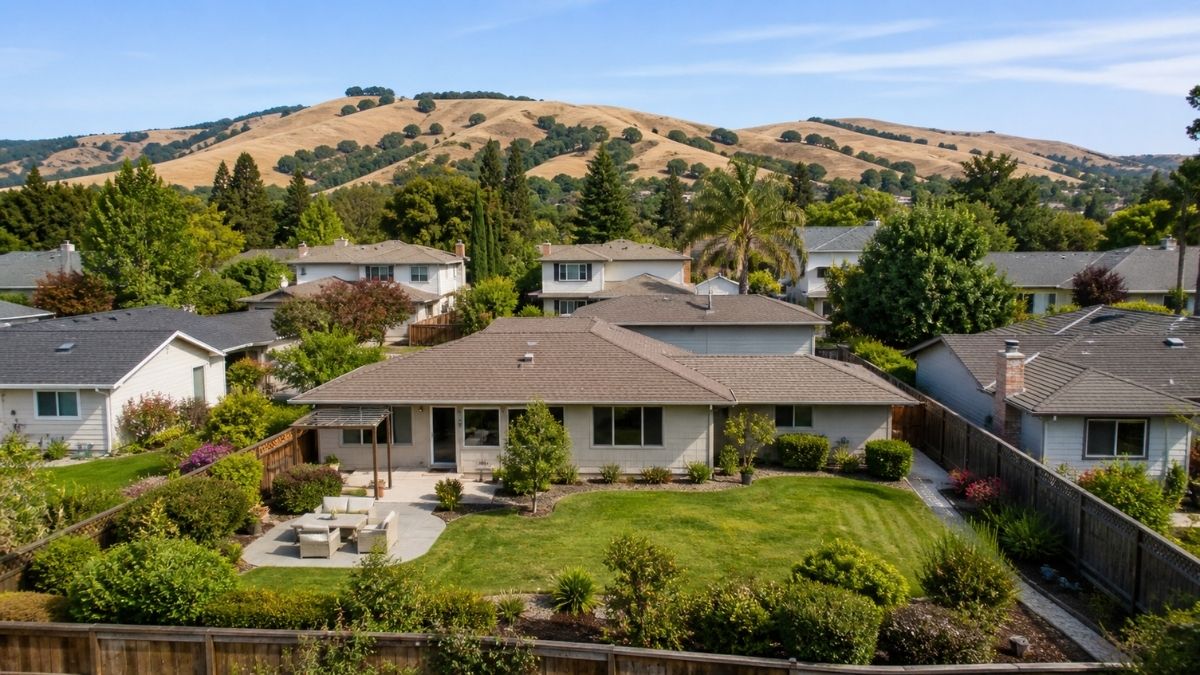
A beautifully remodeled home can absolutely be worth paying more for.
Just understand what you’re paying for.
New flooring, beautiful countertops and updated bathrooms are easy to see.
A newer roof, modern HVAC system, electrical improvements, drainage work and other less glamorous upgrades can represent significant value too.
When comparing two properties, don’t automatically assume the prettier one is the better purchase.
One may have substantial visible improvements.
The other may have quietly received substantial improvements behind the walls, above the ceiling and underneath the house.
Ideally, you get some of both.
There’s nothing inherently wrong with buying a home that needs work.
Sometimes that’s exactly where the opportunity is.
The mistake is looking at every repair as an isolated expense.
An aging roof combined with an older HVAC system, deteriorating exterior paint, drainage issues and original windows can quickly turn into a substantial post-closing project list.
This is one reason inspections matter.
You’re not necessarily looking for a perfect house. Those are surprisingly difficult to locate outside of dollhouses.
You’re trying to understand what you’re buying.
Once you understand the condition, you can decide whether the purchase price appropriately reflects it.
Homeowners insurance has become an increasingly important part of buying California real estate.
Properties near hillsides, open space or areas with greater wildfire exposure may require additional investigation.
Don’t assume that because the seller currently has insurance, you’ll automatically receive the same coverage or premium.
If a property becomes a serious contender, start investigating insurance availability and cost early rather than treating it as something to handle immediately before closing.
This is particularly relevant in parts of the East Bay where hillside settings and open-space access are part of what makes the property attractive.
The view may be spectacular.
Understand everything that comes with it.
This sounds almost ridiculously minor until you’ve lived with it.
Which direction does the backyard face?
Where does afternoon sun hit the house?
Are the primary living spaces naturally bright or dark?
Will the patio be comfortable during summer afternoons?
Does the yard receive enough sun or shade for how you intend to use it?
A western exposure can create beautiful evening light while also making certain rooms considerably warmer.
Mature trees, window placement, roof overhangs and covered patios can dramatically change how a property feels throughout the day.
Touring at 11:00 in the morning only tells you what the house feels like at 11:00 in the morning.
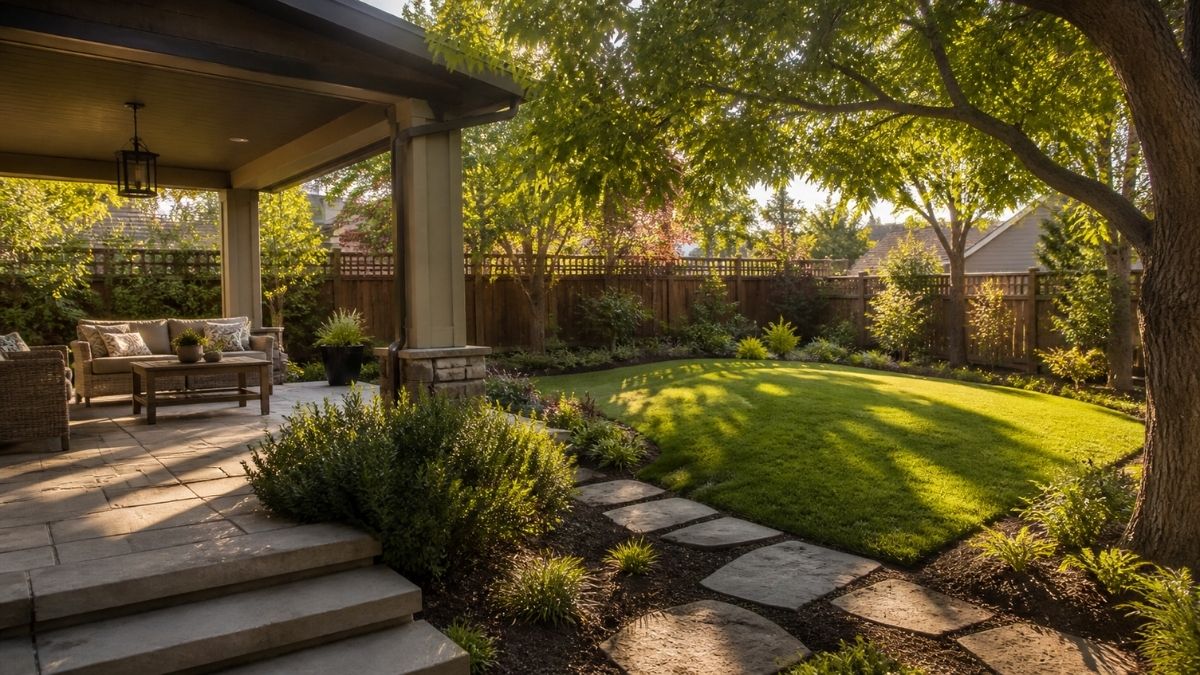
A thoughtfully designed 1,900-square-foot house can feel considerably more functional than a poorly configured 2,300-square-foot house.
Look at how people actually move through the property.
Does the kitchen connect naturally to the living areas? Are bedrooms positioned where you want them? Is there somewhere practical to work from home? Is the laundry room conveniently located?
Also look for wasted square footage.
Huge hallways, awkward formal spaces and oversized entries count toward the advertised square footage.
You’re paying for them too.
The question isn’t simply how many square feet you’re buying.
It’s how many of those square feet you’re actually going to enjoy using.
Buyers without school-age children sometimes ignore school boundaries completely.
From a real estate perspective, that’s worth reconsidering.
Future buyers may place significant importance on local schools and school assignments can influence demand for a neighborhood.
That doesn’t mean every buyer should automatically prioritize a particular school boundary.
It means schools belong in the larger analysis of location and future marketability.
School boundaries and assignments can also change, so current information should always be verified rather than relying solely on an old listing description.
Neither is automatically better.
A well-managed homeowners association may provide amenities, neighborhood consistency and maintenance of shared areas.
It can also establish rules governing exterior modifications, parking, landscaping and other aspects of property ownership.
A neighborhood without an HOA generally provides more individual flexibility, but you also lose the standards and shared amenities an association may provide.
The useful question isn’t:
Does this house have an HOA?
It’s:
Do the HOA’s rules, finances and amenities work for how I intend to live here?
That’s a much better conversation.
This can sound strange when you haven’t even purchased the property.
Do it anyway.
Most people eventually sell.
You don’t need to predict what the market will look like years from now. You simply want to recognize characteristics that are likely to remain desirable or undesirable.
Functional floor plans, usable yards, good natural light and attractive neighborhoods tend to have broad appeal.
Major road noise, unusual layouts, difficult access and severely compromised lots can reduce the buyer pool.
That doesn’t automatically make those properties bad purchases.
Price can compensate for many property characteristics.
The important part is recognizing the characteristic before you buy rather than discovering its importance when you’re eventually trying to sell.
Competitive situations create emotion.
Once buyers hear “multiple offers,” the objective can subtly change from buying the right property to simply beating everyone else.
Those aren’t the same thing.
Sometimes stretching makes sense.
Sometimes accepting a property’s shortcomings makes sense because the price compensates for them.
And sometimes the correct response is letting somebody else have the house.
A winning offer should still make sense when the excitement of offer day disappears and the mortgage payment begins.
There will be another opportunity.
Maybe not tomorrow. Maybe not on the same street.
But another house will come.
The best home purchase isn’t necessarily the least expensive house or the most beautifully remodeled one.
It’s the property where price, condition, location and lifestyle make sense together.
Look beyond the staging.
Walk the lot. Study the neighborhood. Understand the maintenance. Investigate insurance. Think about resale.
Then decide how much the property is worth to you.
Buying a home should absolutely involve emotion. It’s where you’re going to live.
But the decision deserves analysis too.
The sweet spot is finding a house your heart wants that your brain can still defend the morning after your offer is accepted.

Real estate is personal. It’s not just about finding a house or selling a property. It’s about how people live, what matters most and where they want to go next. I’m Mike White, a Lifestyle Real....
Buying near East Bay open space can provide beautiful views and trail access, but the property deserves additional investigation before you make an offer.Homes near ridgelines, regional parks,,
Early fall can create a useful East Bay real estate window for buyers and sellers who understand how September changes the market.The first week of September does not suddenly transform East Bay
East Bay homeowners can reduce wildfire vulnerability by combining defensible space, home hardening, and planning ahead.Late summer is a practical time to look at the property as a system.,
East Bay sellers can protect their time and equity by repairing the correct problems before the home reaches the market.Preparing a home for sale does not mean fixing everything. The better goal is
 Last updated: September 20, 2026 11:08 PM UTC Property Information © 2026 MLSListings Inc. All rights reserved. Listing information is deemed reliable but not guaranteed. The data relating to real estate for sale on this display comes in part from the Internet Data Exchange program of the MLSListingsTM MLS system. Real estate listings held by brokerage firms other than REMAX Accord are marked with the Internet Data Exchange and detailed information about
them includes the names of the listing brokers and listing agents.
The information being provided by CARETS (CLAW, CRISNet MLS, DAMLS, CRMLS, i-Tech MLS, and/or VCRDS)
is for the visitor's personal, non-commercial use and may not be used for any purpose other than to identify
prospective properties visitor may be interested in purchasing.
Any information relating to a property referenced on this web site comes from the Internet Data Exchange (IDX)
program of CARETS. This web site may reference real estate listing(s) held by a brokerage firm other than the
broker and/or agent who owns this web site.
The accuracy of all information, regardless of source, including but not limited to square footages and lot sizes, is
deemed reliable but not guaranteed and should be personally verified through personal inspection by and/or with
the appropriate professionals. The data contained herein is copyrighted by CARETS, CLAW, CRISNet MLS,
DAMLS, CRMLS, i-Tech MLS and/or VCRDS and is protected by all applicable copyright laws. Any dissemination
of this information is in violation of copyright laws and is strictly prohibited.
CARETS, California Real Estate Technology Services, is a consolidated MLS property listing data feed comprised
of CLAW (Combined LA/Westside MLS), CRISNet MLS (Southland Regional AOR), DAMLS (Desert Area MLS),
CRMLS (California Regional MLS), i-Tech MLS (Glendale AOR/Pasadena Foothills AOR) and VCRDS (Ventura
County Regional Data Share)
Show More...
Last updated: September 20, 2026 11:08 PM UTC Property Information © 2026 MLSListings Inc. All rights reserved. Listing information is deemed reliable but not guaranteed. The data relating to real estate for sale on this display comes in part from the Internet Data Exchange program of the MLSListingsTM MLS system. Real estate listings held by brokerage firms other than REMAX Accord are marked with the Internet Data Exchange and detailed information about
them includes the names of the listing brokers and listing agents.
The information being provided by CARETS (CLAW, CRISNet MLS, DAMLS, CRMLS, i-Tech MLS, and/or VCRDS)
is for the visitor's personal, non-commercial use and may not be used for any purpose other than to identify
prospective properties visitor may be interested in purchasing.
Any information relating to a property referenced on this web site comes from the Internet Data Exchange (IDX)
program of CARETS. This web site may reference real estate listing(s) held by a brokerage firm other than the
broker and/or agent who owns this web site.
The accuracy of all information, regardless of source, including but not limited to square footages and lot sizes, is
deemed reliable but not guaranteed and should be personally verified through personal inspection by and/or with
the appropriate professionals. The data contained herein is copyrighted by CARETS, CLAW, CRISNet MLS,
DAMLS, CRMLS, i-Tech MLS and/or VCRDS and is protected by all applicable copyright laws. Any dissemination
of this information is in violation of copyright laws and is strictly prohibited.
CARETS, California Real Estate Technology Services, is a consolidated MLS property listing data feed comprised
of CLAW (Combined LA/Westside MLS), CRISNet MLS (Southland Regional AOR), DAMLS (Desert Area MLS),
CRMLS (California Regional MLS), i-Tech MLS (Glendale AOR/Pasadena Foothills AOR) and VCRDS (Ventura
County Regional Data Share)
Show More...
 All measurements and all calculations of area are approximate. Information provided by Seller/Other sources, not verified by Broker. All interested persons should independently verify accuracy of information. Provided properties may or may not be listed by the office/agent presenting the information. Data maintained by MetroList© may not reflect all real estate activity in the market.
All real estate content on this site is subject to the Federal Fair Housing Act of 1968, as amended, which makes it illegal to advertise any preference, limitation or discrimination because of race, color, religion, sex, handicap, family status or national origin or an intention to make any such preference, limitation or discrimination.
MetroList CA data last updated: September 20, 2026 10:38 PM UTC Terms of Use.
Vendor data provided by Inside Real Estate, LLC.
All measurements and all calculations of area are approximate. Information provided by Seller/Other sources, not verified by Broker. All interested persons should independently verify accuracy of information. Provided properties may or may not be listed by the office/agent presenting the information. Data maintained by MetroList© may not reflect all real estate activity in the market.
All real estate content on this site is subject to the Federal Fair Housing Act of 1968, as amended, which makes it illegal to advertise any preference, limitation or discrimination because of race, color, religion, sex, handicap, family status or national origin or an intention to make any such preference, limitation or discrimination.
MetroList CA data last updated: September 20, 2026 10:38 PM UTC Terms of Use.
Vendor data provided by Inside Real Estate, LLC.
 Bay East ©2026. CCAR ©2026. bridgeMLS ©2026. Information Deemed Reliable But Not Guaranteed. This information is being provided by the Bay East MLS, or CCAR MLS, or bridgeMLS. The listings presented here may or may not be listed by the Broker/Agent operating this website. This information is intended for the personal use of consumers and may not be used for any purpose other than to identify prospective properties consumers may be interested in purchasing. Data last updated at September
20, 2026 11:14 PM UTC
Show More...
Bay East ©2026. CCAR ©2026. bridgeMLS ©2026. Information Deemed Reliable But Not Guaranteed. This information is being provided by the Bay East MLS, or CCAR MLS, or bridgeMLS. The listings presented here may or may not be listed by the Broker/Agent operating this website. This information is intended for the personal use of consumers and may not be used for any purpose other than to identify prospective properties consumers may be interested in purchasing. Data last updated at September
20, 2026 11:14 PM UTC
Show More...
 This information, including square footage, while not guaranteed, has been acquired from sources believed to be reliable. Listings on this page identified as belonging to another listing firm are based upon data obtained from the SFAR MLS, which data is copyrighted by the San Francisco Association of REALTORS©, but is not warranted.
