Buying near East Bay open space can provide beautiful views and trail access, but the property deserves additional investigation before you make an offer.Homes near ridgelines, regional parks,,

Dated: February 7 2026
Views: 1256
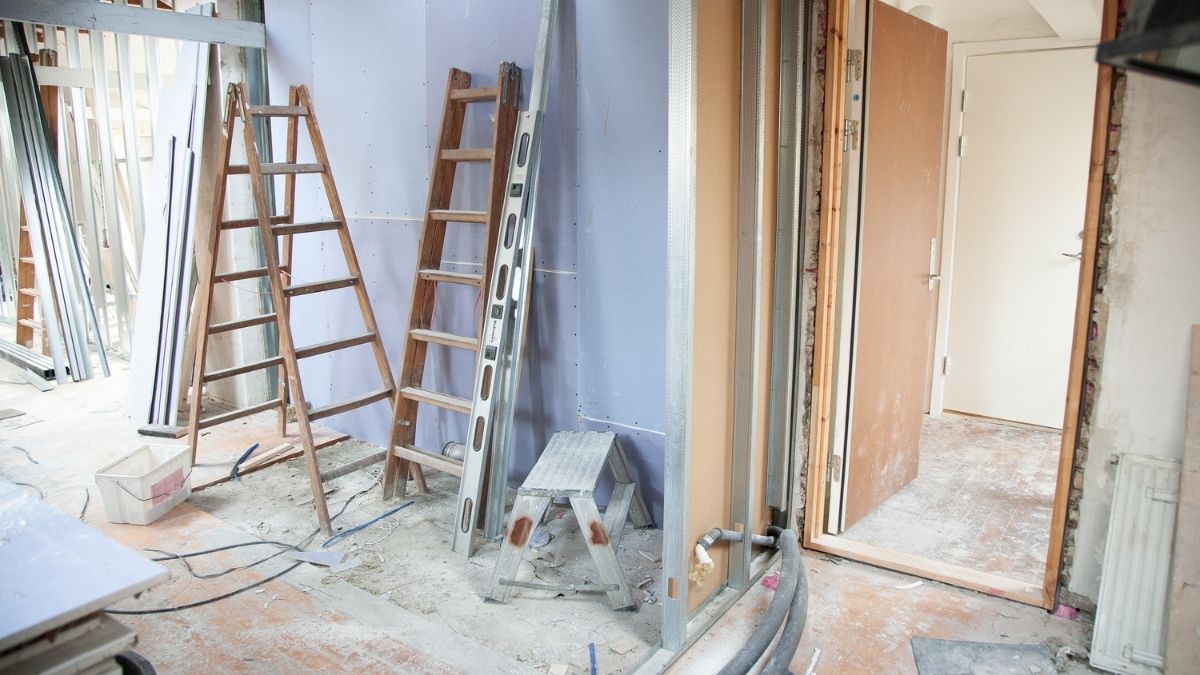
Buying a fixer upper feels exciting.
The photos show potential. The price looks attractive. You start imagining paint colors, flooring upgrades and resale profit.
But excitement is where investors lose money.
If you are evaluating a fixer in Contra Costa County or anywhere in the East Bay, the most important number is not the list price.
It is ARV.
After Repair Value determines whether the project works or quietly drains capital. And in California, where renovation costs are higher than national averages, conservative math is non negotiable.
Here is how to calculate ARV correctly before you buy.
ARV is not based on hope. It is based on what fully renovated homes have actually sold for.
Look for
Same neighborhood or subdivision
Similar square footage
Similar lot size
Similar bedroom and bath count
Recently sold within 90 to 120 days
If your property is 1,850 square feet, do not compare it to 2,300 square foot homes and assume parity.
Buyers compare apples to apples. Appraisers do the same.
In markets like Concord, Pleasant Hill and parts of San Ramon, renovated comps can vary dramatically even within short distances.
Micro location matters.
2. Adjust for Quality of Renovation
Not all remodels are equal.
When calculating ARV, study the finish level of comparable sales.
Ask
Was it cosmetic refresh or full down to studs renovation?
Were kitchens fully updated or partially improved?
Was landscaping redesigned or left basic?
If comparable homes feature high end quartz, modern cabinetry and updated systems, your renovation budget must match that standard to justify similar ARV.
Overestimating the resale value of a basic remodel is a common mistake.
California renovation costs are not inexpensive.
In Contra Costa County, rough estimates often fall in these ranges
Cosmetic remodel: moderate cost per square foot
Mid level renovation: higher cost per square foot
Major structural or layout changes: significantly higher
Labor, permits and materials all impact the final number.
Always build in contingency.
A 10 to 15 percent buffer is not excessive. It is prudent.
If the project only works without a contingency cushion, it is too tight.
Once ARV is estimated, calculate your maximum allowable offer.
A simplified conservative formula often used by disciplined investors:
ARV
Minus renovation costs
Minus holding costs
Minus selling costs
Minus desired profit margin
What remains is your purchase ceiling.
In competitive East Bay markets, emotional bidding can easily erase margin.
If the numbers do not allow for a buffer, walk away.
There will always be another property.
Even if your math works, the future buyer must see the value.
Over improving beyond neighborhood norms can cap resale.
For example
Installing ultra luxury finishes in a mid level neighborhood
Expanding square footage beyond surrounding homes
Appraisers anchor to comparable sales.
If your finished product cannot be supported by comps, resale risk increases.
Fix and flip is not just renovation. It is timing.
Ask
How long will renovation take?
What season will you list?
Is inventory rising or tightening?
In slower seasons or higher inventory environments, ARV assumptions should be even more conservative.
The best investors plan for soft conditions, not ideal ones.
Strong fixer projects provide optionality.
If resale demand softens, could you rent the property and hold it?
Does projected rent support carrying costs?
If the only viable exit is immediate resale at peak value, risk increases.
Flexibility reduces stress.
Calculating ARV in California is not about optimism. It is about discipline.
Study true comps.
Match renovation quality.
Build in contingency.
Protect your margin.
In high value East Bay markets, small miscalculations can erase profit quickly.
When the numbers work conservatively, opportunity becomes clear.
When they do not, restraint is strategy.

Real estate is personal. It’s not just about finding a house or selling a property. It’s about how people live, what matters most and where they want to go next. I’m Mike White, a Lifestyle Real....
Buying near East Bay open space can provide beautiful views and trail access, but the property deserves additional investigation before you make an offer.Homes near ridgelines, regional parks,,
Early fall can create a useful East Bay real estate window for buyers and sellers who understand how September changes the market.The first week of September does not suddenly transform East Bay
East Bay homeowners can reduce wildfire vulnerability by combining defensible space, home hardening, and planning ahead.Late summer is a practical time to look at the property as a system.,
East Bay sellers can protect their time and equity by repairing the correct problems before the home reaches the market.Preparing a home for sale does not mean fixing everything. The better goal is
 Last updated: September 20, 2026 11:08 PM UTC Property Information © 2026 MLSListings Inc. All rights reserved. Listing information is deemed reliable but not guaranteed. The data relating to real estate for sale on this display comes in part from the Internet Data Exchange program of the MLSListingsTM MLS system. Real estate listings held by brokerage firms other than REMAX Accord are marked with the Internet Data Exchange and detailed information about
them includes the names of the listing brokers and listing agents.
The information being provided by CARETS (CLAW, CRISNet MLS, DAMLS, CRMLS, i-Tech MLS, and/or VCRDS)
is for the visitor's personal, non-commercial use and may not be used for any purpose other than to identify
prospective properties visitor may be interested in purchasing.
Any information relating to a property referenced on this web site comes from the Internet Data Exchange (IDX)
program of CARETS. This web site may reference real estate listing(s) held by a brokerage firm other than the
broker and/or agent who owns this web site.
The accuracy of all information, regardless of source, including but not limited to square footages and lot sizes, is
deemed reliable but not guaranteed and should be personally verified through personal inspection by and/or with
the appropriate professionals. The data contained herein is copyrighted by CARETS, CLAW, CRISNet MLS,
DAMLS, CRMLS, i-Tech MLS and/or VCRDS and is protected by all applicable copyright laws. Any dissemination
of this information is in violation of copyright laws and is strictly prohibited.
CARETS, California Real Estate Technology Services, is a consolidated MLS property listing data feed comprised
of CLAW (Combined LA/Westside MLS), CRISNet MLS (Southland Regional AOR), DAMLS (Desert Area MLS),
CRMLS (California Regional MLS), i-Tech MLS (Glendale AOR/Pasadena Foothills AOR) and VCRDS (Ventura
County Regional Data Share)
Show More...
Last updated: September 20, 2026 11:08 PM UTC Property Information © 2026 MLSListings Inc. All rights reserved. Listing information is deemed reliable but not guaranteed. The data relating to real estate for sale on this display comes in part from the Internet Data Exchange program of the MLSListingsTM MLS system. Real estate listings held by brokerage firms other than REMAX Accord are marked with the Internet Data Exchange and detailed information about
them includes the names of the listing brokers and listing agents.
The information being provided by CARETS (CLAW, CRISNet MLS, DAMLS, CRMLS, i-Tech MLS, and/or VCRDS)
is for the visitor's personal, non-commercial use and may not be used for any purpose other than to identify
prospective properties visitor may be interested in purchasing.
Any information relating to a property referenced on this web site comes from the Internet Data Exchange (IDX)
program of CARETS. This web site may reference real estate listing(s) held by a brokerage firm other than the
broker and/or agent who owns this web site.
The accuracy of all information, regardless of source, including but not limited to square footages and lot sizes, is
deemed reliable but not guaranteed and should be personally verified through personal inspection by and/or with
the appropriate professionals. The data contained herein is copyrighted by CARETS, CLAW, CRISNet MLS,
DAMLS, CRMLS, i-Tech MLS and/or VCRDS and is protected by all applicable copyright laws. Any dissemination
of this information is in violation of copyright laws and is strictly prohibited.
CARETS, California Real Estate Technology Services, is a consolidated MLS property listing data feed comprised
of CLAW (Combined LA/Westside MLS), CRISNet MLS (Southland Regional AOR), DAMLS (Desert Area MLS),
CRMLS (California Regional MLS), i-Tech MLS (Glendale AOR/Pasadena Foothills AOR) and VCRDS (Ventura
County Regional Data Share)
Show More...
 All measurements and all calculations of area are approximate. Information provided by Seller/Other sources, not verified by Broker. All interested persons should independently verify accuracy of information. Provided properties may or may not be listed by the office/agent presenting the information. Data maintained by MetroList© may not reflect all real estate activity in the market.
All real estate content on this site is subject to the Federal Fair Housing Act of 1968, as amended, which makes it illegal to advertise any preference, limitation or discrimination because of race, color, religion, sex, handicap, family status or national origin or an intention to make any such preference, limitation or discrimination.
MetroList CA data last updated: September 20, 2026 10:38 PM UTC Terms of Use.
Vendor data provided by Inside Real Estate, LLC.
All measurements and all calculations of area are approximate. Information provided by Seller/Other sources, not verified by Broker. All interested persons should independently verify accuracy of information. Provided properties may or may not be listed by the office/agent presenting the information. Data maintained by MetroList© may not reflect all real estate activity in the market.
All real estate content on this site is subject to the Federal Fair Housing Act of 1968, as amended, which makes it illegal to advertise any preference, limitation or discrimination because of race, color, religion, sex, handicap, family status or national origin or an intention to make any such preference, limitation or discrimination.
MetroList CA data last updated: September 20, 2026 10:38 PM UTC Terms of Use.
Vendor data provided by Inside Real Estate, LLC.
 Bay East ©2026. CCAR ©2026. bridgeMLS ©2026. Information Deemed Reliable But Not Guaranteed. This information is being provided by the Bay East MLS, or CCAR MLS, or bridgeMLS. The listings presented here may or may not be listed by the Broker/Agent operating this website. This information is intended for the personal use of consumers and may not be used for any purpose other than to identify prospective properties consumers may be interested in purchasing. Data last updated at September
20, 2026 11:14 PM UTC
Show More...
Bay East ©2026. CCAR ©2026. bridgeMLS ©2026. Information Deemed Reliable But Not Guaranteed. This information is being provided by the Bay East MLS, or CCAR MLS, or bridgeMLS. The listings presented here may or may not be listed by the Broker/Agent operating this website. This information is intended for the personal use of consumers and may not be used for any purpose other than to identify prospective properties consumers may be interested in purchasing. Data last updated at September
20, 2026 11:14 PM UTC
Show More...
 This information, including square footage, while not guaranteed, has been acquired from sources believed to be reliable. Listings on this page identified as belonging to another listing firm are based upon data obtained from the SFAR MLS, which data is copyrighted by the San Francisco Association of REALTORS©, but is not warranted.
