Buying near East Bay open space can provide beautiful views and trail access, but the property deserves additional investigation before you make an offer.Homes near ridgelines, regional parks,,

Dated: January 10 2026
Views: 53
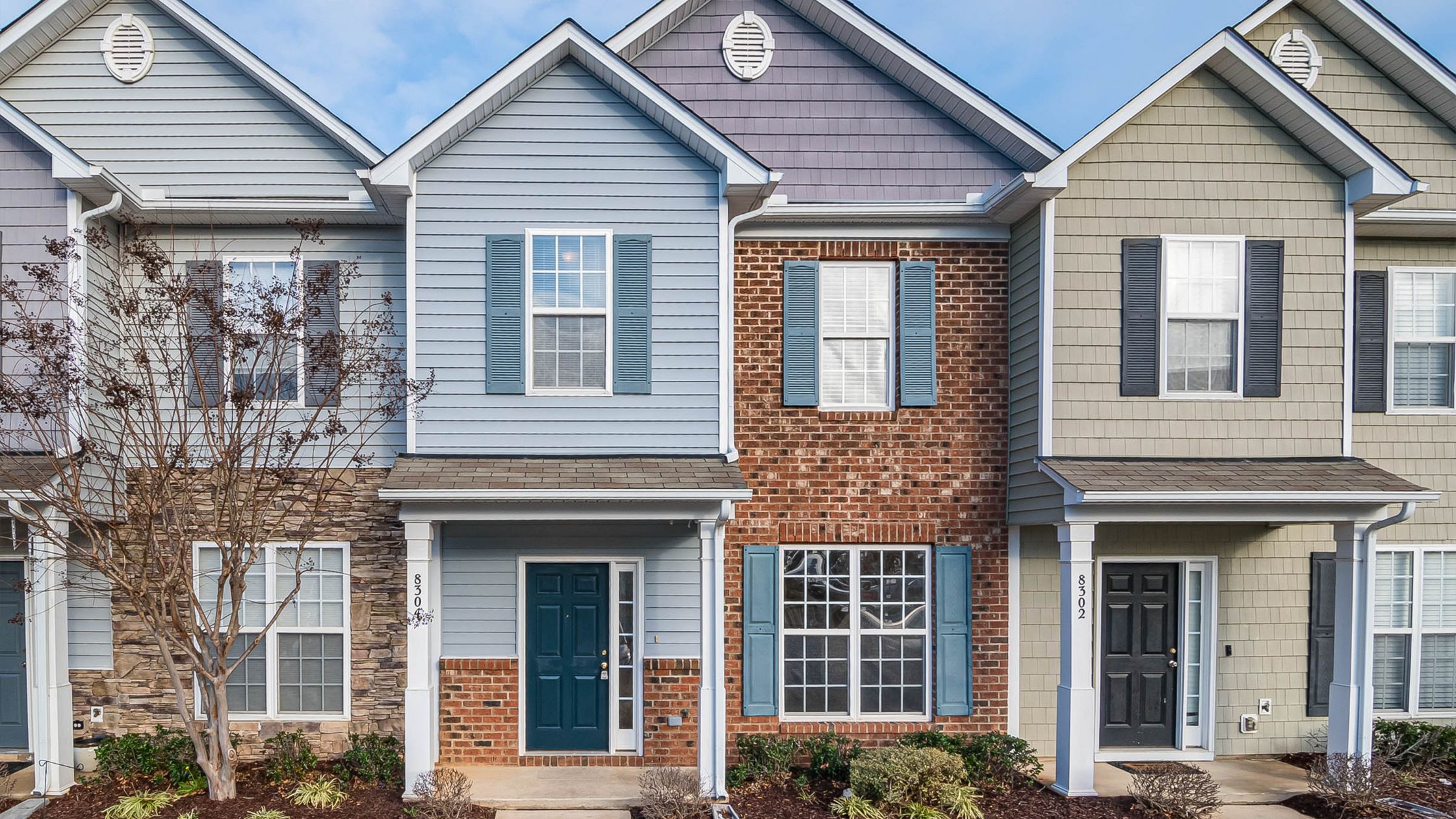
Buying a rental property sounds exciting until you sit down with the numbers.
This is where a lot of new investors hesitate. The photos look good. The location feels strong. The agent says it will “cash flow.” But when it comes time to actually evaluate the deal, most people are guessing.
In Contra Costa County, guessing is expensive.
Whether you are buying your first rental or converting your current home into an income property, you need a framework. Not hype. Not social media math. Real analysis that protects your capital.
Let’s walk through how to evaluate a rental property properly in today’s East Bay market.
Before anything else, determine what the property will actually rent for.
Do not
Instead, study
In areas like Concord, Walnut Creek and parts of Antioch, even small neighborhood differences can impact rental demand and price.
Be conservative. If the rent range is $3,100 to $3,300, underwrite at $3,100.
This part is simple.
Monthly rent × 12 = Annual gross income.
If rent is $3,100:
$3,100 × 12 = $37,200 per year.
This is your starting line, not your profit.
This is where beginners get overly optimistic.
You must factor in
Even if you plan to self manage, assign a management percentage. Your time has value.
A common conservative rule
In Contra Costa County, maintenance reserves matter. Many homes were built in the 70s through early 2000s. Roofs, HVAC systems and plumbing systems age.
Ignoring this step is how investments quietly become liabilities.
NOI is your annual income minus operating expenses, before mortgage payments.
Example
Annual rent: $37,200
Annual operating expenses: $14,000
NOI = $23,200
This is the number that actually matters when comparing properties.
Cap rate is:
NOI ÷ Purchase price
If the home costs $800,000 and NOI is $23,200:
Cap rate = 2.9 percent
In much of Contra Costa County, cap rates are lower than Midwest markets. Appreciation and long term equity growth are often part of the strategy.
If someone promises 8 percent cap rates in prime East Bay neighborhoods, be skeptical.
Low cap rate does not mean bad investment. It means you are in a high appreciation region. The strategy shifts from pure cash flow to hybrid wealth building.
This matters if you are financing.
Cash on cash return measures your annual pre tax cash flow divided by your actual cash invested.
If you put:
$160,000 down
And your annual cash flow after mortgage is:
$4,000
Your cash on cash return is 2.5 percent.
Again, not flashy. But in high demand areas with long term appreciation, the full picture includes:
Investing in Contra Costa is often a long game, not a quick win.
Before moving forward, ask:
What happens if:
If the numbers only work in perfect conditions, it is not a strong investment.
Strong investments survive conservative assumptions.
Math matters. Location matters more.
In Contra Costa County, rental strength tends to hold in areas with:
Properties near job corridors and transportation hubs typically perform better over time than isolated fringe areas.
If you are buying for both income and appreciation, prioritize fundamentals over cosmetic appeal.
Analyzing a rental property is not complicated, but it requires discipline.
Start with realistic rent.
Subtract real expenses.
Calculate NOI.
Evaluate cap rate.
Stress test the numbers.
In a high value market like Contra Costa County, the goal is rarely overnight cash flow. It is stable income combined with long term equity growth.
Investing works best when it is measured, not emotional.

Real estate is personal. It’s not just about finding a house or selling a property. It’s about how people live, what matters most and where they want to go next. I’m Mike White, a Lifestyle Real....
Buying near East Bay open space can provide beautiful views and trail access, but the property deserves additional investigation before you make an offer.Homes near ridgelines, regional parks,,
Early fall can create a useful East Bay real estate window for buyers and sellers who understand how September changes the market.The first week of September does not suddenly transform East Bay
East Bay homeowners can reduce wildfire vulnerability by combining defensible space, home hardening, and planning ahead.Late summer is a practical time to look at the property as a system.,
East Bay sellers can protect their time and equity by repairing the correct problems before the home reaches the market.Preparing a home for sale does not mean fixing everything. The better goal is
 Last updated: September 20, 2026 11:08 PM UTC Property Information © 2026 MLSListings Inc. All rights reserved. Listing information is deemed reliable but not guaranteed. The data relating to real estate for sale on this display comes in part from the Internet Data Exchange program of the MLSListingsTM MLS system. Real estate listings held by brokerage firms other than REMAX Accord are marked with the Internet Data Exchange and detailed information about
them includes the names of the listing brokers and listing agents.
The information being provided by CARETS (CLAW, CRISNet MLS, DAMLS, CRMLS, i-Tech MLS, and/or VCRDS)
is for the visitor's personal, non-commercial use and may not be used for any purpose other than to identify
prospective properties visitor may be interested in purchasing.
Any information relating to a property referenced on this web site comes from the Internet Data Exchange (IDX)
program of CARETS. This web site may reference real estate listing(s) held by a brokerage firm other than the
broker and/or agent who owns this web site.
The accuracy of all information, regardless of source, including but not limited to square footages and lot sizes, is
deemed reliable but not guaranteed and should be personally verified through personal inspection by and/or with
the appropriate professionals. The data contained herein is copyrighted by CARETS, CLAW, CRISNet MLS,
DAMLS, CRMLS, i-Tech MLS and/or VCRDS and is protected by all applicable copyright laws. Any dissemination
of this information is in violation of copyright laws and is strictly prohibited.
CARETS, California Real Estate Technology Services, is a consolidated MLS property listing data feed comprised
of CLAW (Combined LA/Westside MLS), CRISNet MLS (Southland Regional AOR), DAMLS (Desert Area MLS),
CRMLS (California Regional MLS), i-Tech MLS (Glendale AOR/Pasadena Foothills AOR) and VCRDS (Ventura
County Regional Data Share)
Show More...
Last updated: September 20, 2026 11:08 PM UTC Property Information © 2026 MLSListings Inc. All rights reserved. Listing information is deemed reliable but not guaranteed. The data relating to real estate for sale on this display comes in part from the Internet Data Exchange program of the MLSListingsTM MLS system. Real estate listings held by brokerage firms other than REMAX Accord are marked with the Internet Data Exchange and detailed information about
them includes the names of the listing brokers and listing agents.
The information being provided by CARETS (CLAW, CRISNet MLS, DAMLS, CRMLS, i-Tech MLS, and/or VCRDS)
is for the visitor's personal, non-commercial use and may not be used for any purpose other than to identify
prospective properties visitor may be interested in purchasing.
Any information relating to a property referenced on this web site comes from the Internet Data Exchange (IDX)
program of CARETS. This web site may reference real estate listing(s) held by a brokerage firm other than the
broker and/or agent who owns this web site.
The accuracy of all information, regardless of source, including but not limited to square footages and lot sizes, is
deemed reliable but not guaranteed and should be personally verified through personal inspection by and/or with
the appropriate professionals. The data contained herein is copyrighted by CARETS, CLAW, CRISNet MLS,
DAMLS, CRMLS, i-Tech MLS and/or VCRDS and is protected by all applicable copyright laws. Any dissemination
of this information is in violation of copyright laws and is strictly prohibited.
CARETS, California Real Estate Technology Services, is a consolidated MLS property listing data feed comprised
of CLAW (Combined LA/Westside MLS), CRISNet MLS (Southland Regional AOR), DAMLS (Desert Area MLS),
CRMLS (California Regional MLS), i-Tech MLS (Glendale AOR/Pasadena Foothills AOR) and VCRDS (Ventura
County Regional Data Share)
Show More...
 All measurements and all calculations of area are approximate. Information provided by Seller/Other sources, not verified by Broker. All interested persons should independently verify accuracy of information. Provided properties may or may not be listed by the office/agent presenting the information. Data maintained by MetroList© may not reflect all real estate activity in the market.
All real estate content on this site is subject to the Federal Fair Housing Act of 1968, as amended, which makes it illegal to advertise any preference, limitation or discrimination because of race, color, religion, sex, handicap, family status or national origin or an intention to make any such preference, limitation or discrimination.
MetroList CA data last updated: September 20, 2026 10:38 PM UTC Terms of Use.
Vendor data provided by Inside Real Estate, LLC.
All measurements and all calculations of area are approximate. Information provided by Seller/Other sources, not verified by Broker. All interested persons should independently verify accuracy of information. Provided properties may or may not be listed by the office/agent presenting the information. Data maintained by MetroList© may not reflect all real estate activity in the market.
All real estate content on this site is subject to the Federal Fair Housing Act of 1968, as amended, which makes it illegal to advertise any preference, limitation or discrimination because of race, color, religion, sex, handicap, family status or national origin or an intention to make any such preference, limitation or discrimination.
MetroList CA data last updated: September 20, 2026 10:38 PM UTC Terms of Use.
Vendor data provided by Inside Real Estate, LLC.
 Bay East ©2026. CCAR ©2026. bridgeMLS ©2026. Information Deemed Reliable But Not Guaranteed. This information is being provided by the Bay East MLS, or CCAR MLS, or bridgeMLS. The listings presented here may or may not be listed by the Broker/Agent operating this website. This information is intended for the personal use of consumers and may not be used for any purpose other than to identify prospective properties consumers may be interested in purchasing. Data last updated at September
20, 2026 11:14 PM UTC
Show More...
Bay East ©2026. CCAR ©2026. bridgeMLS ©2026. Information Deemed Reliable But Not Guaranteed. This information is being provided by the Bay East MLS, or CCAR MLS, or bridgeMLS. The listings presented here may or may not be listed by the Broker/Agent operating this website. This information is intended for the personal use of consumers and may not be used for any purpose other than to identify prospective properties consumers may be interested in purchasing. Data last updated at September
20, 2026 11:14 PM UTC
Show More...
 This information, including square footage, while not guaranteed, has been acquired from sources believed to be reliable. Listings on this page identified as belonging to another listing firm are based upon data obtained from the SFAR MLS, which data is copyrighted by the San Francisco Association of REALTORS©, but is not warranted.
