Buying near East Bay open space can provide beautiful views and trail access, but the property deserves additional investigation before you make an offer.Homes near ridgelines, regional parks,,

Dated: May 1 2026
Views: 1
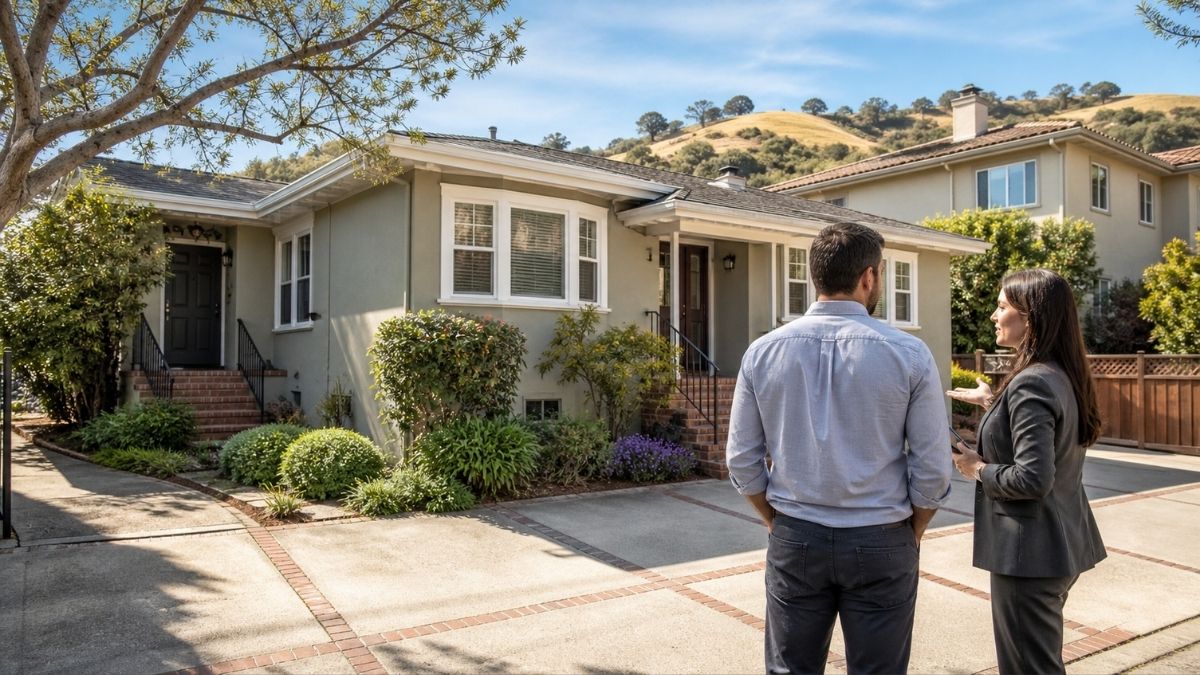
An East Bay rental property should be evaluated using income, expenses, financing, condition and realistic local demand.
A property can look attractive, be located in a desirable neighborhood and still produce a disappointing investment result.
The analysis must extend beyond the purchase price and expected monthly rent.
Investors need to understand how much income the property can realistically produce, what it will cost to operate, how financing affects cash flow and which repairs may be required during ownership.
The strongest investment is not necessarily the property with the highest rent.
It is the property whose income, expenses, risks and long-term potential support the investor's objectives.
Before evaluating a property, define what the investment is expected to accomplish.
Possible goals include:
Producing monthly cash flow
Building equity through loan repayment
Capturing long-term appreciation
Creating tax planning opportunities
Diversifying existing investments
Providing housing for a family member
Supporting a future move
Completing a renovation and repositioning the property
Different goals can produce different buying decisions.
A property with limited initial cash flow may still appeal to an investor focused on long-term appreciation. Another investor may require immediate income and reject the same opportunity.
Projected rent should be based on current, comparable rental properties.
Review factors such as:
Neighborhood
Property type
Bedroom and bathroom count
Living area
Condition
Parking
Laundry
Outdoor space
Pet policies
Included utilities
Lease timing
The highest advertised rent is not automatically achievable.
That property may be newly renovated, furnished, larger or located on a more desirable street. Advertised rents also do not confirm what a tenant ultimately agreed to pay.
A conservative rent estimate provides a more dependable starting point.
Rental income does not always arrive every month without interruption.
Vacancy can occur during:
Tenant turnover
Cleaning
Repairs
Marketing
Application review
Major improvements
Seasonal changes in demand
Even a property in a strong rental area should include a vacancy allowance.
Assuming continuous occupancy can make the projected return appear stronger than it is likely to be over time.
Investors often remember the mortgage, property taxes and insurance.
Other expenses can be easier to overlook:
Property management
Repairs
Landscaping
Pest control
Utilities paid by the owner
Homeowners association fees
Accounting
Legal services
Licensing or registration
Advertising
Cleaning
Capital reserves
A property may produce positive income before expenses and negative cash flow after everything is included.

Routine repairs and long-term capital expenses should not be treated as the same thing.
Routine costs may include a plumbing visit, appliance repair or minor landscape work.
Capital expenses involve major components such as:
Roof
HVAC equipment
Water heater
Exterior paint
Windows
Electrical systems
Plumbing
Drainage
Major appliances
These expenses may not occur every year, but they should still be anticipated.
A property with an older roof and aging mechanical systems may require a larger reserve than a recently renovated property.
The financing structure can change the investment result substantially.
Review:
Interest rate
Down payment
Loan fees
Monthly principal and interest
Required reserves
Prepayment provisions
Adjustable-rate terms
Owner-occupancy requirements
Appraisal expectations
A larger down payment may improve monthly cash flow but commit more capital to the property.
A smaller down payment may preserve liquidity but create a higher payment.
Compare financing options using the same assumptions for rent, expenses and vacancy.
A simple starting formula is:
Rental income minus operating expenses minus debt payments equals cash flow.
The calculation should use realistic numbers rather than ideal conditions.
Consider what happens when:
Rent is lower than projected
The property is vacant
Insurance increases
A major repair occurs
Property management becomes necessary
Financing costs change
A tenant pays late
Turnover takes longer than expected
An investment that only works when everything goes perfectly may not offer enough protection.
A rental property is both an investment and a physical building.
Its condition affects safety, operating expenses, insurance and tenant satisfaction.
Evaluate:
Roof
Foundation
Drainage
Electrical equipment
Plumbing
Sewer
HVAC
Water heater
Windows
Exterior surfaces
Appliances
Smoke and carbon monoxide equipment
Use qualified inspectors and contractors when appropriate.
An inexpensive property can become costly when several major components require attention at the same time.
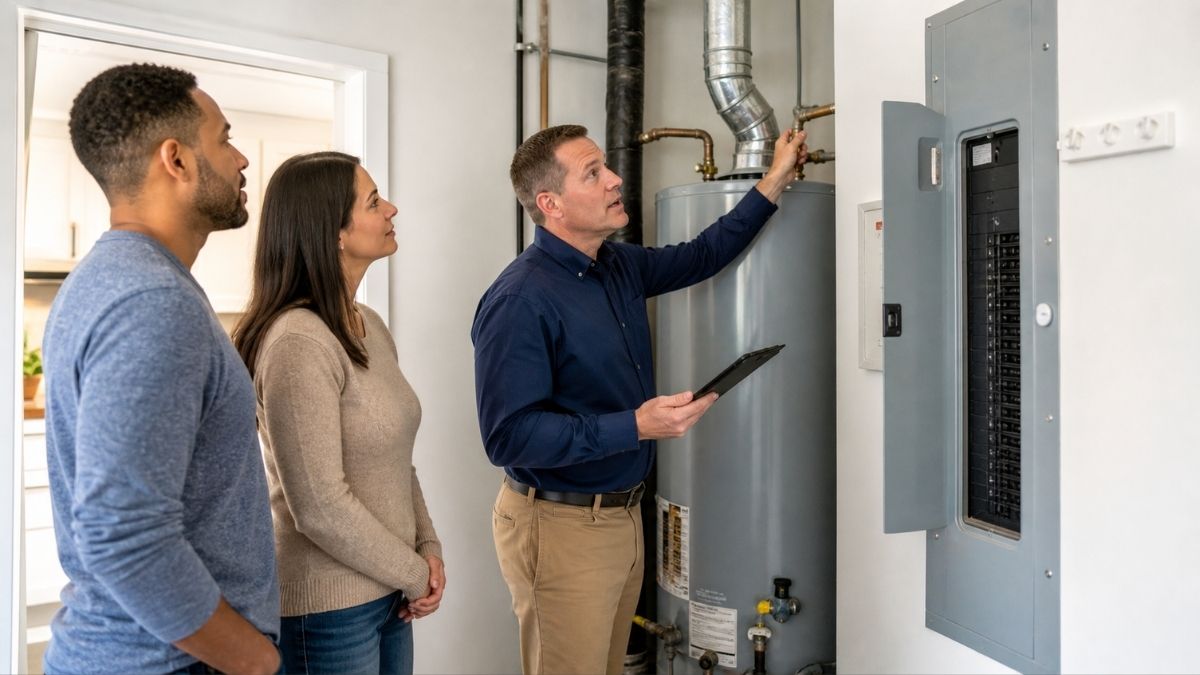
When purchasing an occupied property, review the available tenancy information before making assumptions about income or future use.
Important documents may include:
Current lease
Rent payment history
Deposit records
Utility responsibilities
Notices
Maintenance requests
Property condition records
Local registration information
Communications affecting the tenancy
California and local rental rules can be complex.
Consult qualified legal and property-management professionals before making decisions involving rent changes, lease termination, occupancy or tenant relocation.
Self-management can reduce direct expenses, but it requires time, organization and knowledge.
Responsibilities may include:
Marketing
Tenant screening
Lease preparation
Rent collection
Maintenance coordination
Recordkeeping
Inspections
Emergency response
Compliance
Turnover
An investor who lives far away or has limited availability may benefit from professional management.
Include that potential expense in the original analysis, even if you plan to manage the property personally at first.
A rental location should be considered through the needs of likely tenants.
Demand may be influenced by:
Employment centers
Transportation
Schools
Shopping
Restaurants
Parks
Parking
Neighborhood condition
Commute routes
Walkability
Access to services
The property does not need to satisfy every tenant.
It should offer a clear reason for the intended tenant group to choose it over competing rentals.
Investment plans can change.
Before buying, consider how the property might perform under several exits:
Continued rental ownership
Sale to another investor
Sale to an owner-occupant
Renovation and resale
Future personal occupancy
Transfer within an estate plan
A property with broad resale appeal may provide more flexibility than one that only works under a narrow investment strategy.
Two properties can produce similar projected returns but require very different levels of involvement.
One may be recently renovated with stable tenants and limited initial maintenance.
Another may require construction, lease management, substantial reserves and frequent oversight.
The higher-effort property should offer enough potential return to compensate for that additional work and uncertainty.
A good East Bay rental property is not identified by rent alone.
The investment should be evaluated as a complete operating business with income, expenses, physical systems, legal responsibilities and long-term risk.
Use conservative assumptions. Inspect the property carefully. Maintain appropriate reserves and consult qualified tax, legal, lending and property-management professionals.
If you are considering an East Bay income property, I can help you compare recent sales, evaluate rental positioning and identify the property characteristics that may support long-term demand.
Mike White, Realtor
DRE# 02209144
REMAX Accord

Real estate is personal. It’s not just about finding a house or selling a property. It’s about how people live, what matters most and where they want to go next. I’m Mike White, a Lifestyle Real....
Buying near East Bay open space can provide beautiful views and trail access, but the property deserves additional investigation before you make an offer.Homes near ridgelines, regional parks,,
Early fall can create a useful East Bay real estate window for buyers and sellers who understand how September changes the market.The first week of September does not suddenly transform East Bay
East Bay homeowners can reduce wildfire vulnerability by combining defensible space, home hardening, and planning ahead.Late summer is a practical time to look at the property as a system.,
East Bay sellers can protect their time and equity by repairing the correct problems before the home reaches the market.Preparing a home for sale does not mean fixing everything. The better goal is
 Last updated: September 22, 2026 11:27 PM UTC Property Information © 2026 MLSListings Inc. All rights reserved. Listing information is deemed reliable but not guaranteed. The data relating to real estate for sale on this display comes in part from the Internet Data Exchange program of the MLSListingsTM MLS system. Real estate listings held by brokerage firms other than REMAX Accord are marked with the Internet Data Exchange and detailed information about
them includes the names of the listing brokers and listing agents.
The information being provided by CARETS (CLAW, CRISNet MLS, DAMLS, CRMLS, i-Tech MLS, and/or VCRDS)
is for the visitor's personal, non-commercial use and may not be used for any purpose other than to identify
prospective properties visitor may be interested in purchasing.
Any information relating to a property referenced on this web site comes from the Internet Data Exchange (IDX)
program of CARETS. This web site may reference real estate listing(s) held by a brokerage firm other than the
broker and/or agent who owns this web site.
The accuracy of all information, regardless of source, including but not limited to square footages and lot sizes, is
deemed reliable but not guaranteed and should be personally verified through personal inspection by and/or with
the appropriate professionals. The data contained herein is copyrighted by CARETS, CLAW, CRISNet MLS,
DAMLS, CRMLS, i-Tech MLS and/or VCRDS and is protected by all applicable copyright laws. Any dissemination
of this information is in violation of copyright laws and is strictly prohibited.
CARETS, California Real Estate Technology Services, is a consolidated MLS property listing data feed comprised
of CLAW (Combined LA/Westside MLS), CRISNet MLS (Southland Regional AOR), DAMLS (Desert Area MLS),
CRMLS (California Regional MLS), i-Tech MLS (Glendale AOR/Pasadena Foothills AOR) and VCRDS (Ventura
County Regional Data Share)
Show More...
Last updated: September 22, 2026 11:27 PM UTC Property Information © 2026 MLSListings Inc. All rights reserved. Listing information is deemed reliable but not guaranteed. The data relating to real estate for sale on this display comes in part from the Internet Data Exchange program of the MLSListingsTM MLS system. Real estate listings held by brokerage firms other than REMAX Accord are marked with the Internet Data Exchange and detailed information about
them includes the names of the listing brokers and listing agents.
The information being provided by CARETS (CLAW, CRISNet MLS, DAMLS, CRMLS, i-Tech MLS, and/or VCRDS)
is for the visitor's personal, non-commercial use and may not be used for any purpose other than to identify
prospective properties visitor may be interested in purchasing.
Any information relating to a property referenced on this web site comes from the Internet Data Exchange (IDX)
program of CARETS. This web site may reference real estate listing(s) held by a brokerage firm other than the
broker and/or agent who owns this web site.
The accuracy of all information, regardless of source, including but not limited to square footages and lot sizes, is
deemed reliable but not guaranteed and should be personally verified through personal inspection by and/or with
the appropriate professionals. The data contained herein is copyrighted by CARETS, CLAW, CRISNet MLS,
DAMLS, CRMLS, i-Tech MLS and/or VCRDS and is protected by all applicable copyright laws. Any dissemination
of this information is in violation of copyright laws and is strictly prohibited.
CARETS, California Real Estate Technology Services, is a consolidated MLS property listing data feed comprised
of CLAW (Combined LA/Westside MLS), CRISNet MLS (Southland Regional AOR), DAMLS (Desert Area MLS),
CRMLS (California Regional MLS), i-Tech MLS (Glendale AOR/Pasadena Foothills AOR) and VCRDS (Ventura
County Regional Data Share)
Show More...
 All measurements and all calculations of area are approximate. Information provided by Seller/Other sources, not verified by Broker. All interested persons should independently verify accuracy of information. Provided properties may or may not be listed by the office/agent presenting the information. Data maintained by MetroList© may not reflect all real estate activity in the market.
All real estate content on this site is subject to the Federal Fair Housing Act of 1968, as amended, which makes it illegal to advertise any preference, limitation or discrimination because of race, color, religion, sex, handicap, family status or national origin or an intention to make any such preference, limitation or discrimination.
MetroList CA data last updated: September 22, 2026 11:07 PM UTC Terms of Use.
Vendor data provided by Inside Real Estate, LLC.
All measurements and all calculations of area are approximate. Information provided by Seller/Other sources, not verified by Broker. All interested persons should independently verify accuracy of information. Provided properties may or may not be listed by the office/agent presenting the information. Data maintained by MetroList© may not reflect all real estate activity in the market.
All real estate content on this site is subject to the Federal Fair Housing Act of 1968, as amended, which makes it illegal to advertise any preference, limitation or discrimination because of race, color, religion, sex, handicap, family status or national origin or an intention to make any such preference, limitation or discrimination.
MetroList CA data last updated: September 22, 2026 11:07 PM UTC Terms of Use.
Vendor data provided by Inside Real Estate, LLC.
 Bay East ©2026. CCAR ©2026. bridgeMLS ©2026. Information Deemed Reliable But Not Guaranteed. This information is being provided by the Bay East MLS, or CCAR MLS, or bridgeMLS. The listings presented here may or may not be listed by the Broker/Agent operating this website. This information is intended for the personal use of consumers and may not be used for any purpose other than to identify prospective properties consumers may be interested in purchasing. Data last updated at September
22, 2026 11:10 PM UTC
Show More...
Bay East ©2026. CCAR ©2026. bridgeMLS ©2026. Information Deemed Reliable But Not Guaranteed. This information is being provided by the Bay East MLS, or CCAR MLS, or bridgeMLS. The listings presented here may or may not be listed by the Broker/Agent operating this website. This information is intended for the personal use of consumers and may not be used for any purpose other than to identify prospective properties consumers may be interested in purchasing. Data last updated at September
22, 2026 11:10 PM UTC
Show More...
 This information, including square footage, while not guaranteed, has been acquired from sources believed to be reliable. Listings on this page identified as belonging to another listing firm are based upon data obtained from the SFAR MLS, which data is copyrighted by the San Francisco Association of REALTORS©, but is not warranted.
